
Why beer beats coffee for social cohesion
Audio Description
Login here to listen to the audio description

There’s a coffee shop near me that’s a relic from a time before improved transport links made this part of South East London unaffordable for most potential homebuyers. It isn’t a greasy spoon but a ramshackle place that sells Sports Direct-sized mugs of tea at £1.40 and has a diverse crowd despite – or because of – the lack of Wi-Fi and comfortable seats.
At times it’s like sitting in an elderly person’s front-room – albeit an OAP who loves the strains of US West Coast indie rock. The staff are chatty and a few remember me from years back, but I’ve only once struck up a conversation with a stranger in all the time I’ve visited. He was wearing an obscure football top that I recognised, and it turned out we went to the same school, which is bizarre as we’re from a socially-excluded place 60 miles away.
Now I can – as many who know me will attest – be grumpy on occasions but in social settings I like to chat, so how come I, like others, do not regularly find solace and companionship from randoms in a coffee shop? To me this seems obvious but when I wrote this article explaining how specifically pubs offer help for personal issues like grief, one comment was “we suspect coffee shops, local shops and others would bridle at the suggestion they don’t perform similar functions”.
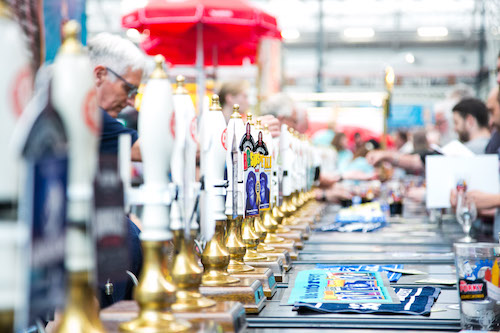
Alcohol has its many downsides as I can attest having a childhood punctuated by my father’s alcoholism, but it lowers people’s inhibitions making them willing to talk. It’s why you’re more likely to spark up a conversation over an interesting cask beer instead of waxing lyrical to the person next to you about the smooth flavour of an Arabica coffee bean.
And it’s something fellow writer Emma Inch discovered during the production of her excellent podcast, Same Again?
She once told me: “A number of guests on the podcasts talk about the ability of beer and alcohol to lower our inhibitions and share things we wouldn’t have shared. Sometimes that can be bad, but in the context of mental health, it could be the only way someone could reach out about a problem.”
The other argument that “local shops perform similar functions” to pubs may have an element of truth. I do chat a lot with a friend who works in a deli near me and I’m very fortunate to do so. And fortunate is a key word because this is a rare gift that not many areas have: a thriving high street with varied shops.
Moreover, once Lucy Do, who runs the incredible Dodo micropub in West London, told me: “Hospitality is the only way the high street is going to be saved. People often rant on Facebook about ‘why don’t we have a butcher?’ because they’ve been replaced by online shopping. But you can’t replicate having a conversation with a real human being.”
And here’s the flipside to why pubs are needed more than you think: without them what is going to draw people to the high street and save those other shops people need for necessary human interactions?
 view events