
Bare minimum
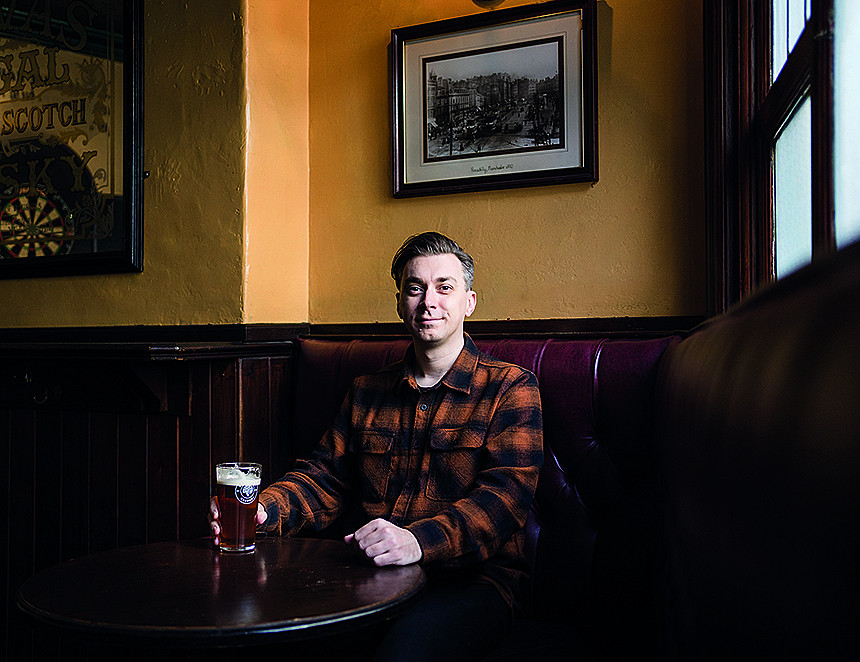
Taking a seat inside a popular central Manchester bar, I scroll my finger down the menu, deciding what to order for lunch. Opting for a double cheeseburger and fries, it comes in at what I consider to be a reasonable £16.
To wash it down I order a pint of pale ale, another £5.90 – above the Greater Manchester average of £4.57 (according to the latest data from CGA) but it feels like decent enough value to me. Coming in at just shy of £22, it’s pretty much what I’d expect to pay for a sit-down lunch in the city centre.
Despite being one of the 50 per cent of earners who takes home less than the median UK salary, this doesn’t feel like an extravagance. It’s not something I’d treat myself to every day (I need to save some cash for my Netflix subscription and avocado toast, after all), but it feels fair for something I’ll spend half an hour enjoying, while also giving me a chance to take a break from my own job. A worthwhile investment.
Although to some people, that might feel expensive. Especially those on the UK minimum wage, which by government statute is due to increase to £12.71 per hour from April 2026 – a 4.1 per cent increase. For 18-20 year olds, a larger 8.5 per cent increase is coming into place, bringing the hourly rate to £10.85 as the government slowly, but sensibly begins to bring this lower rate in line, so that all adults will eventually be entitled to the same once they turn 18.
Both increases are above the 2025 inflation rate of 3.7 per cent (according to the ONS) as the government attempts to bring earnings in line with the exponential cost of living. It’s worth noting, however, that the average net inflation for food and drink was 16.9 per cent in 2022, and more than 19 per cent in 2023. And yet, I’m still sat here wondering if it’s fair that someone working in this bar, who may well be on the minimum wage would have to work for two hours – 25 per cent of their shift – in order to afford a simple lunch in said place of work.
Okay it might not seem like a huge outlay, but when you consider that at least 50 per cent of that salary will already be allocated towards rent and bills, consider the cost of them commuting to and from work, et cetera, suddenly it starts to feel less reasonable. I ask myself, because taking myself to popular, work and business-focused social media site LinkedIn, I witnessed several influential figures within the UK hospitality industry decrying how this increase would be bad for business, especially as the increase to the minimum wage was above the rate of inflation. This echoed the reaction to last year’s increase to National Insurance contributions, which also increased the per-employee cost for UK businesses.
As this piece is merely my own opinion, I’ll give these individuals the benefit of anonymity, but among them was the managing director of a brewery and pub chain that in 2025 posted pre-tax profits of £7.1m, and a former “night czar” of a major city in the North West of England. What is true is that hospitality businesses, including pubs, face an increasingly uncertain future. The latest hurdle (of many) being an average increase in business rates of 78 per cent from April 2026. Although the reality, rather than the predicted spate of closures from many of the industry’s leading figures, is that it’s more likely the cost of eating and drinking in these establishments will increase in line with these additional costs. With an increased minimum wage adding to their squeezed bottom line, it’s likely that hospitality businesses will run with smaller teams, in turn asking more of current employees.
There is also an argument that this will make the hospitality sector less enticing for new workers – which is significant, as it’s a sector that is often the first place of employment for many. But as the cost of running a business becomes more challenging, is it fair to put the burden of complaint on the notion of paying the workforce a reasonable wage? Surely the dignity of frontline hospitality workers should not be held to ransom by those who control their pay checks.
Anyone who’s spent any amount of time working in frontline hospitality will understand and empathise with this. In the past I’ve worked as a potwash, waiter and bartender and, as such, have the utmost respect for hospitality workers and the effort and skill required from them so that you can maximise enjoyment from your own leisure time. I often think back to the start of a shift in a North London pub (squeamish readers might want to skip this part) when within an hour of the opening I was called to the gents because a regular’s colostomy bag had burst, coating the toilet and much of the cubicle.
After cleaning up the mess (well, actually, I failed, and ended up vomiting in the alleyway outside the pub, such was the significance of the disgrace) I still had to clean myself up, and return to the bar to serve pints with a smile on my face. This is what is expected of hospitality workers – from customers at least. Once you add the expectation of employers on top of this, and the fact that you’ll likely have less colleagues to support you due to increasing wage costs, you might suddenly understand how stressful a job like this can really be.
Of course, not all employers will be affected by the increased minimum wage. Not least, those who already pay their staff a higher rate, such as that recommended by charity the Living Wage Foundation. Its recommended rate of £13.45 per hour (£14.80 in London) is based on data calculated on the actual cost of living. Yes, we need to campaign for fairer rules that allow British businesses to thrive, yes we need to protect pubs, but none of this should come at the expense of, say, a member of staff being able to sit down and enjoy a burger and a pint in the establishment where they work. If we really want a sustainable future for British businesses, then it must be worker first.
 view events