
PUBlic Affairs update – October
Audio Description
Login here to listen to the audio description
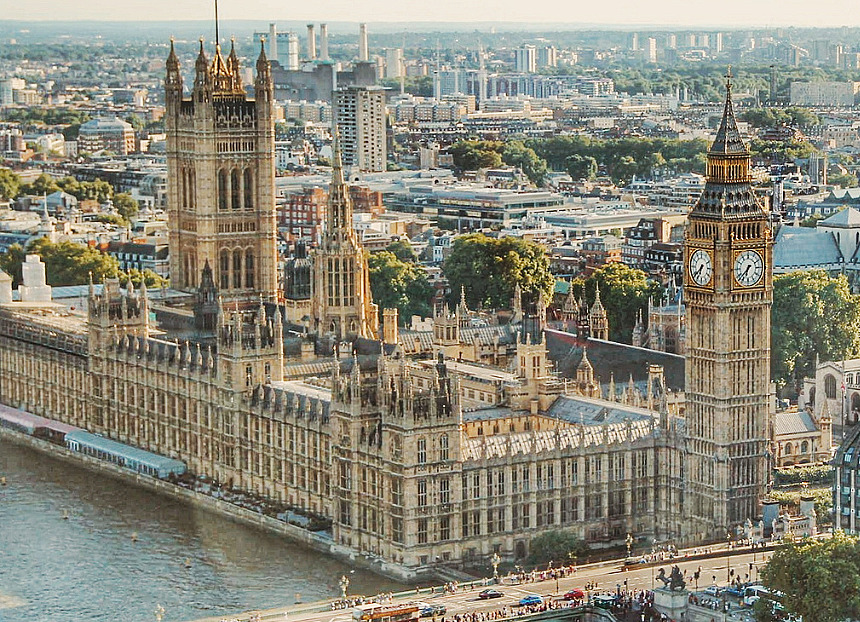
The regular series returns to What’s Brewing with the Campaigns and Communications team’s latest campaigning for pubs, pints and people across Westminster, devolved parliaments and local government.
Westminster
Budget 2026
The government will deliver its Budget on Wednesday 28 October.
CAMRA is campaigning for action on VAT, beer and cider duty, business rates and Employer National Insurance contributions to help pubs, social clubs, independent brewers, cidermakers, and consumers.
Read CAMRA’s submission to the Treasury here.
An e-lobby has been set up so members can ask their MP to support beer and pubs ahead of the Budget. Use it here.
Pubs Code for England and Wales review
Last month the UK government published its response to the review of the Pubs Code and its adjudicator for England and Wales, confirming both will remain. It is good news that it resisted pressures for it to be scrapped, merged or weakened.
The government will “develop proposals with stakeholders” to make changes to the market rent only right – tenants will have opt-out provisions in return for investment from their pub-owning business – and new ways to give tenants better opportunities when going free-of-tie.
CAMRA’s recommendations to strengthen the code and adjudicator were not adopted by the government, along with a Scottish-style guest beer right not being introduced in England and Wales.
CAMRA will continue to engage with ministers, civil servants and MPs to secure this right for tied tenants.
The Campaign’s response is here.
The government’s response to its Pubs Code consultation is here, and CAMRA submission here.
Cider minimum juice content
Since CAMRA does not think it is fair that global drinks get away with taxing cider products that have only a 35 per cent minimum juice content, we have been campaigning for it to be at least 50 per cent.
MPs have been asking questions in UK parliament relating to our cider campaigning recently:
Euan Stainbank MP (Falkirk) (Lab): To ask the secretary of state for Environment, Food and Rural Affairs, what assessment her department has made of the potential merits of introducing a minimum apple or pear juice content of 50 per cent for products marketed as cider or perry. (23526) (Department for Environment, Food and Rural Affairs)
Stephen Morgan MP (minister, Environment, Food & Rural Affairs) (Lab): This government currently has no plans to change the rules governing minimum juice content in cider and perry. The current minimum juice content requirements provide flexibility for producers, support product variety and innovation, and maintain consumer choice.
James McMurdock MP (South Basildon and East Thurrock) (Ind): To ask the secretary of state for Environment, Food and Rural Affairs, what assessment she has made of the adequacy of the minimum juice requirements for cider products in a) the US, b) Germany, c) Spain and d) other European countries. (25625) (Department for Environment, Food and Rural Affairs)
Stephen Morgan MP (minister, Environment, Food & Rural Affairs) (Lab): The department has not made a formal assessment of the adequacy of minimum juice requirements for cider products in the United States, Germany, Spain or other European countries. Traditions of cider production and consumer preferences vary between countries, and this is reflected in differences in product definitions and composition requirements. DEFRA continues to engage with stakeholders on issues relating to cider production and labelling and keeps relevant international developments under review.
James McMurdock MP (South Basildon and East Thurrock) (Ind): To ask the secretary of state for Environment, Food and Rural Affairs, whether she plans to require cider and perry products to display their percentage juice content on product labels. (25626) (Department for Environment, Food and Rural Affairs)
Stephen Morgan MP (minister, Environment, Food & Rural Affairs) (Lab): This government currently has no plans to change the rules governing the labelling of juice content in cider and perry products. DEFRA continues to engage with stakeholders on issues relating to cider and perry production and labelling.
Licensing: digital ID for alcohol sales (England and Wales)
The UK government updated the Licensing Act 2003 recently, so digital ID will be accepted when purchasing alcohol.
Read more here.
Licensing: temporary event notices (England and Wales)
Changes have been made to the UK Government’s temporary events notices (TENs) regime in England and Wales. The number of TENs has increased from 15 to 20 per year, while the total number of days has risen from is 21 to 26 per calendar year.
TENs are required when licensable activity is being carried out on unlicensed premises in England and Wales.
Full details are here.
Pub is the Hub and hospitality grants
A hospitality scheme of £10m funding over a three-year period has been introduced by the UK government.
Funding will go towards projects like opening new independent venues, bringing empty buildings back into use or training and skills.
Pub is the Hub has been designated £3m to help pubs diversify and expand their services to publicans, rural pubs and community services.
Read the announcement here.
Scottish government and parliament
Business rates review
A new chair of the independent review of valuation for licensed premises has been appointed by the Scottish government.
The review’s report of recommendations is due by end of year and changes to business rates valuation will be introduced for the 2029 cycle.
More details here.
Scottish Pubs Code review
A consultation on the future of the Scottish Pubs Code and its adjudicator has been opened by the Scottish government, part of regular statutory reviews required under the Tied Pubs Act, which introduced the code.
The consultation details are here. CAMRA will be putting together a formal CAMRA response.
Scottish government: last provider fund
The Scottish government’s Programme for Government 2026-2031 has been published, which includes a commitment to introduce a last provider fund to support the sustainability of the remaining shops and pubs in rural and island communities.
The Campaign is waiting for more details about the fund.
Local authorities in Scotland: proposed changes
Proposed changes to the structure of councils have been announced by the Scottish government.
These include between six and 10 larger regional authorities for strategic functions like education and economic development, and between 120 and 160 new community authorities for local area decisions – with licensing and planning decisions anticipated too.
No firm proposals or consultations have been announced at this stage.
Welsh government
Business rates
Welsh pubs will receive 30 per cent off their business rates bills from April 2027 – a major Campaign win.
More details on the Welsh government’s announcement are here, and CAMRA’s response is here.
Welsh government: programme for government
The goverment programme for 2026-2030 is now published.
Commitments include:
- reform and rebalance business rates to better support high-street businesses in hospitality, leisure and retail
- use the Town Centre Taskforce to explore options around revitalising town centres, including bringing empty properties into social housing use
- legislate for a community right to buy to empower communities to take ownership of local assets.
Northern Ireland assembly and executive
Review of 2021 changes to NI licensing laws
A review of licensing laws introduced in 2021 has been published by the NI executive.
Changes include the new producers licence’ that lets breweries and cidermakers open taprooms for 104 evenings a year to sell their products.
The public consultation that has launched is here.
 view events