
Low-alcohol beer on draught boosts pub sales
Audio Description
Login here to listen to the audio description
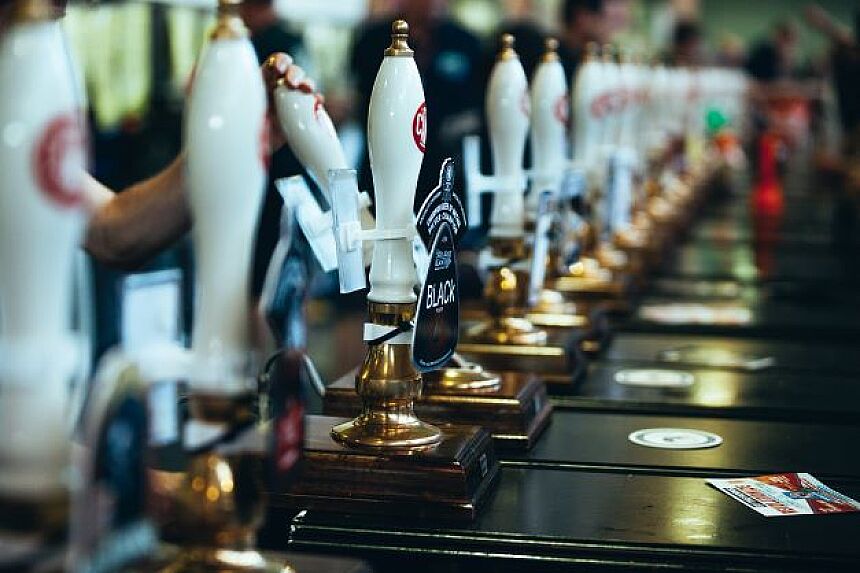
Simple changes to pub environments can encourage drinkers to choose alcohol-free options without harming profits, according to new research from the University of York and Anglia Ruskin University.
The study, published in Drug and Alcohol Review, evaluated how introducing alcohol-free (AF) beer through three sequential behavioural “nudges” influenced consumer habits and revenues across three UK pubs.
Researchers found that introducing alcohol-free beer – particularly on draught – successfully increased consumer uptake. Crucially for the hospitality sector this shift had no negative impact on drinks revenue.
The nudges are subtle, without restricting freedom of choice. Over the study period, researchers tested three cumulative interventions:
– availability nudge: adding canned alcohol-free beer to fridge displays
– information nudge: installing promotional posters behind the bar and in customer toilets
– functionality nudge: offering alcohol-free beer on tap by replacing one regular draught option.
While promotional posters showed limited impact, physical changes to availability led to increases in sales. Offering alcohol-free beer on draught proved particularly popular, with consumers frequently opting for a freshly poured pint over canned alternatives.
Rather than displacing traditional alcoholic beer, the introduction of AF options led to a drop in sales of wine and spirits. Environmental factors also played a role, with warmer weather driving higher demand for NoLo (no-and low-alcohol) beverages.
Dr Nadine Waehning, one of the authors of the study from the School for Business and Society at the University of York, said it was important to create inclusive drinking environments to address the changes in drinking behaviour.
She said: “Our findings show that simple nudges, like serving alcohol-free beer on tap, give customers attractive, authentic alternatives without reducing total venue revenue.”
Professor Victoria Wells added: “Modifying the drinking environment provides a scalable, commercially viable path to support lower-risk drinking within everyday social settings and this is great news for pubs that want to engage in Stoptober or Dry January, as well as responding to moderation trends.”
The findings build on previous research looking at the role of pubs in York.
Wells added: “It’s also very clear that more people are moderating, as our chapter on pubs in York in the new Poverty and Progress? 125 years on from Rowntree’s study of life in York shows so this is a key trend that pubs can confidently engage with.”
 view events