
Artisan cider makers must rise to challenge of cheap supermarket rivals

I grew up in the North. Cider wasn’t something I rejoiced in during that time. Plastic bottles of carbonated, from-concentrate, fermented apple drinks featured often in teenage life, though not mine. It lacked in any character or challenge, but it was cheap and did the job desired of it. I judge not; I drank the malt-based equivalent for the same reasons but with a palate less inclined to sweet fruit or raging bubbles. Moving to Bristol, the appeal of the apple drinks on offer remained low. It wasn’t until I began to explore artisan cider that I appreciated its charms.
Cider is long ensconced in our national history, interlacing with agriculture for centuries. Rural labour markets in the three counties and the South West were heavily influenced by the quality of the ciders offered as a supplement to wages on each farm. Rumour has it the farms producing the highest-quality cider attracted the most effective labourers. Motivation to produce good cider, and appreciation of it, was high. Rioting ensued when cold hard cash was suggested as a more appropriate recompense for their time. Large-scale removal of orchards from modern agriculture has offered no favours for the cultural value placed on their drinks.
As society grasped for industrialised food production, cider making followed suit. Since the 1980s there has been a surge of mass-produced, sweetened, watered-down, from-concentrate cider. Force carbonated and distributed far and wide through supermarkets, pubs and clubs. Cider has become synonymous with cheap drinking and become disconnected from its roots. A drink where either lack of craft or desire for profit drive the product and the sale, not care and attention.
Outside the rural heartlands where cider has its strongest tradition and heritage, connection with orchards and their fruit become less tangible. Brewery ownership of pubs leaves only the small proportion of independent landlords able to stock local, artisan, real cider. Of those, current financial challenges create unfavourable complexity when choosing their cider offerings. Many artisan makers don’t offer keg or bag-in-box products, favouring the qualities of bottle fermentations, posing a potential barrier to the wider consumer market experiencing their skills.
But is it always the price tag on the product that sways the consumer’s hand?
No, though for many it will remain the primary influence on choice.
There are, though, times we might spend uncomfortably on a dinner out. The purse strings clenching as our gaze moves past the top few items in the listing. Not all the way to the bottom though, vision blurring reflexively as the eyes drift south. Often the strings remain taut as we take the first bite, savour the first sip. It’s too late to turn back now. As we relax into the choices we’ve made, passing the consequences onto next month’s accounts, the experience is (more often than not) a pleasant one. If we were honest, a very enjoyable one. Spending that little bit more offers a peep into the world of possibility. We don’t mind spending a little more to gain a little more art, craft, care, attention, skill. We’re paying for the time and skill that creates that experience. The same stands for artisan cider.
For artisan makers, without vast capacity to store pressed juice, or the inclination to spend a fortune on chiller facilities, there is but one chance a year to create great cider. They apply a care and attention that takes time and intuition, not just skill. When to rack? Is a keeve likely to be successful (or even possible)? What finish does the flavour profile of the blend lend itself to? Will the climate permit barrel aging? If we reviewed the economic viability of the actual cost of producing artisan cider the price per bottle would, no doubt, be a bargain.
But the cultural perception of the value of cider stimulates a swift intake of breath at the mention of artisan prices. Understandably so. Would you part with a tenner for a cider you were unfamiliar with? (I would, but I’m biased.) The challenge to the future of artisan cider is not that most cider is cheap. The challenge is the acceptance of poor-quality cider as the norm, if such are sold then it is only right that they are cheap.
For cider artisans to generate an appreciation of the value in the drinks they produce, they must engage more widely about their craft.
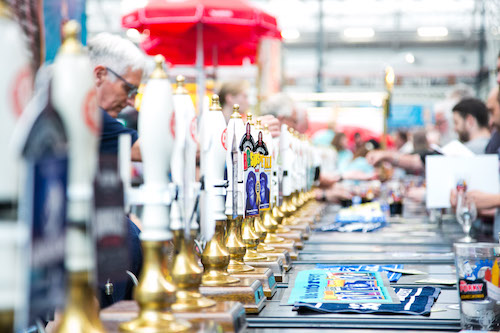
This is why festivals are a great way of broadening our exposure to something new. Why makers’ markets should be on everyone’s list. Why BeerX and Cider Salons should be more than vocational destinations. Where else can you pay a relatively small fee to sample dozens of drinks you would never ordinarily be able to afford in isolation?
You’ll never win them all. Sometimes it feels that we’re changing minds one drinker at a time but, where the price point is higher, the responsibility to promote the craft rises with the cost. Artisan makers must rise to the challenge!
 view events